Top Tips for Parents: Supporting Your Child’s Education at Home
BM
Understanding Your Child’s Learning Style
Every child is unique, and understanding their learning style can significantly enhance their educational journey. Some kids are visual learners, while others excel through auditory or kinesthetic methods. Observing how your child naturally engages with the world can help you tailor your support to their needs.

For visual learners, consider using colorful charts, diagrams, and videos. Auditory learners might benefit from discussions or listening to educational podcasts. Kinesthetic learners often thrive with hands-on activities and experiments.
Creating a Productive Learning Environment
A dedicated space for learning at home can make a big difference in your child's focus and productivity. Choose a quiet area in your home, free from distractions, where your child can concentrate on their studies.

Ensure that this space is equipped with necessary supplies like pencils, paper, and a computer. Personalize it with your child’s favorite colors or artwork to make it inviting and comfortable.
Establishing a Routine
Children thrive on routine, which provides structure and predictability. Set a consistent schedule for study time, breaks, and extracurricular activities. This helps your child manage their time effectively and reduces stress.
Engaging with School Resources
Stay informed about the resources your child’s school offers. Many schools provide online portals, tutoring services, and extracurricular activities. Engaging with these resources can provide additional support and enrichment.

Communicate regularly with teachers to understand your child’s progress and any areas that may need attention. Being proactive can help address issues before they become significant challenges.
Encouraging a Growth Mindset
Instill a growth mindset in your child by encouraging them to view challenges as opportunities to learn. Praise their effort rather than just their achievements, and remind them that persistence and hard work lead to improvement.
Balancing Screen Time
In today’s digital age, balancing screen time is crucial. While technology can be a powerful educational tool, it’s important to set boundaries to ensure your child engages in other activities as well.
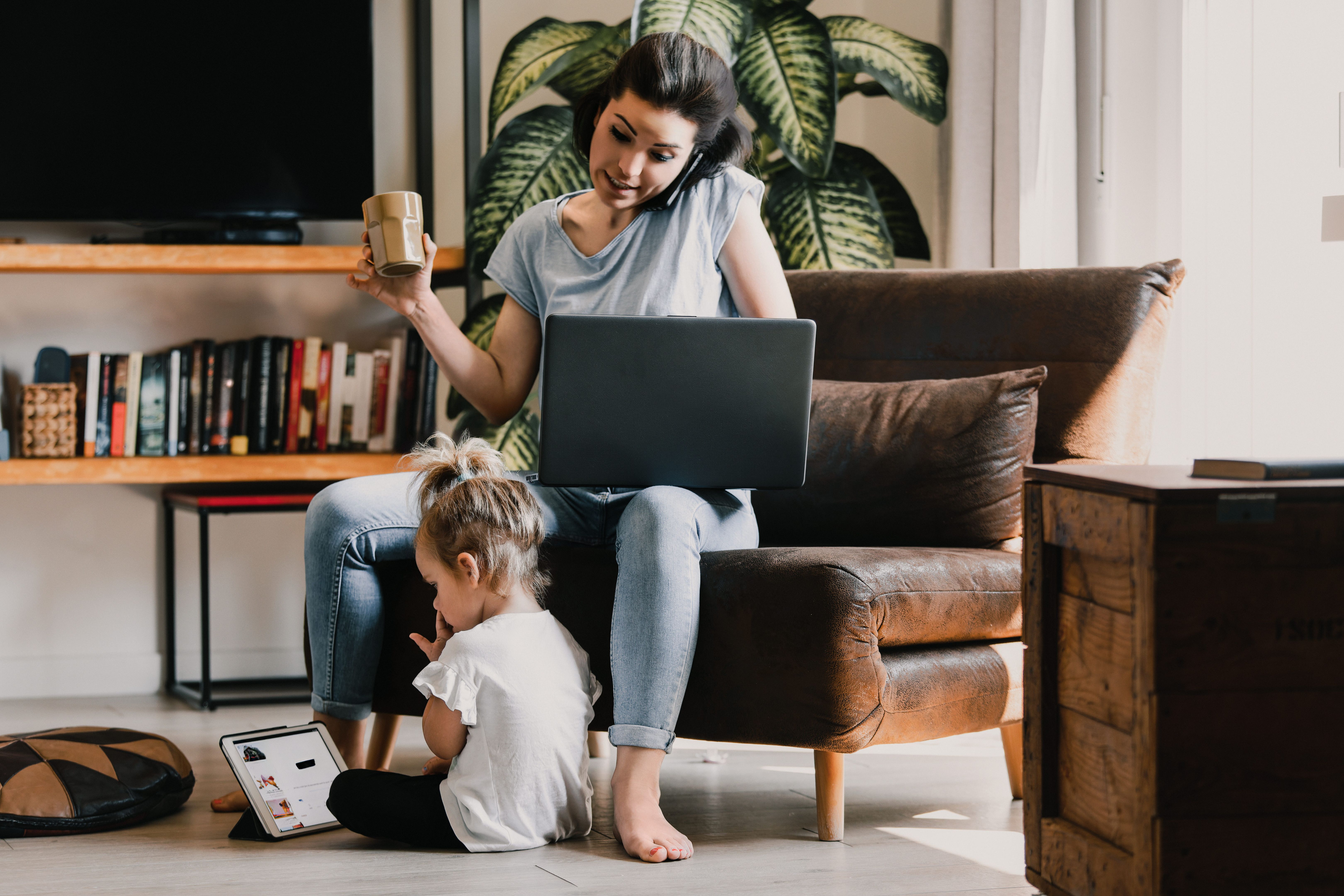
Create a media plan that outlines acceptable screen time limits and encourages diverse activities such as reading, outdoor play, and family time. This balance promotes a healthy lifestyle and well-rounded development.
Promoting Social and Emotional Learning
Education isn’t just about academics. Social and emotional learning (SEL) is equally important. Encourage your child to express their emotions, develop empathy, and build strong relationships with peers.
Incorporate SEL activities into your daily routine, such as discussing feelings, practicing gratitude, and solving problems together. This holistic approach supports your child's overall well-being and success.