Online vs. Face-to-Face Classes: Which is Right for Your Child?
BM
Understanding Online and Face-to-Face Classes
As education evolves, parents face the decision of choosing between online and face-to-face classes for their children. Each option offers unique benefits and challenges. Understanding these can help you make an informed decision that best suits your child's needs.

Flexibility and Convenience
Online classes provide significant flexibility. They allow students to learn at their own pace and choose schedules that fit their lifestyle. This can be particularly beneficial for children who have other commitments like sports or arts.
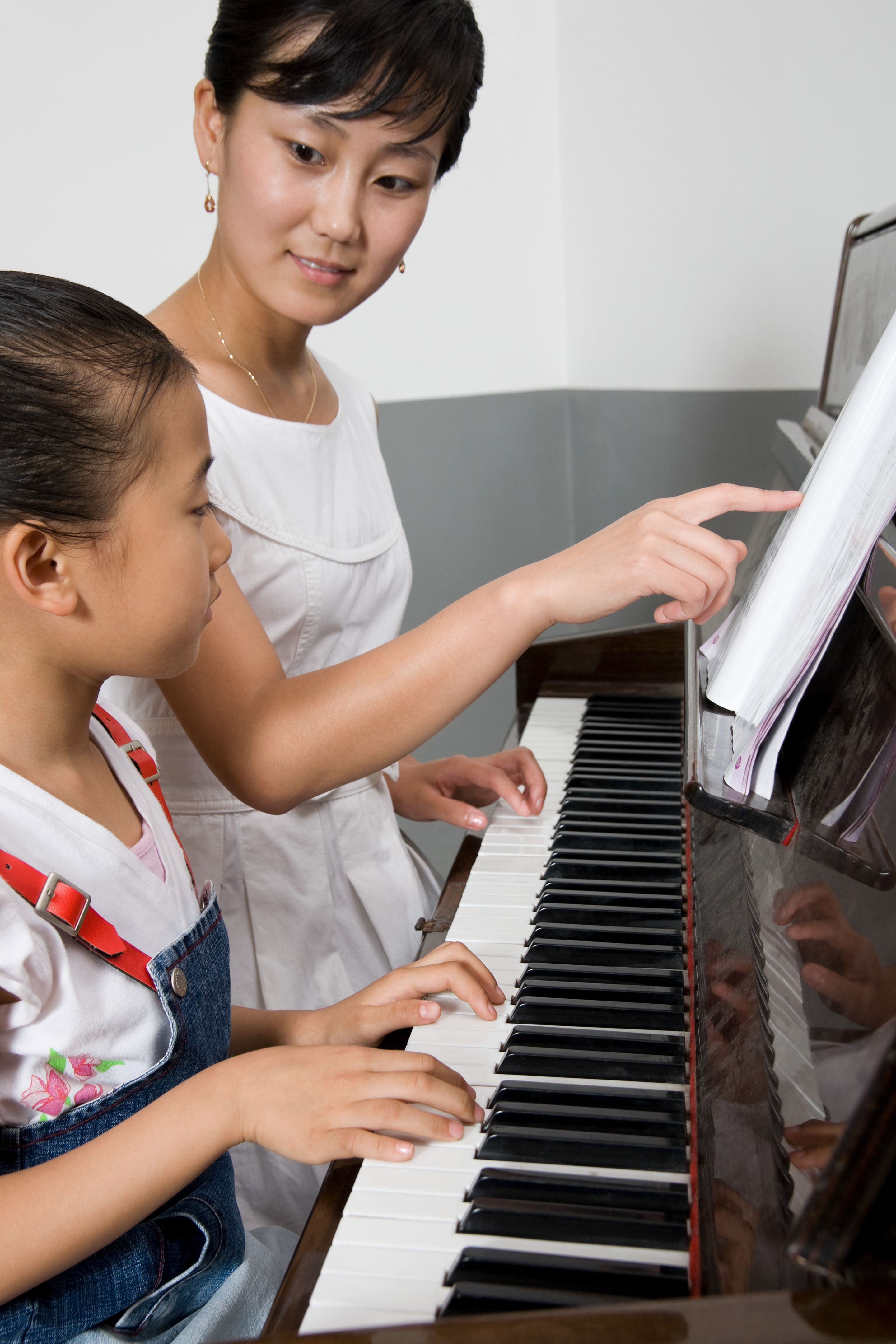
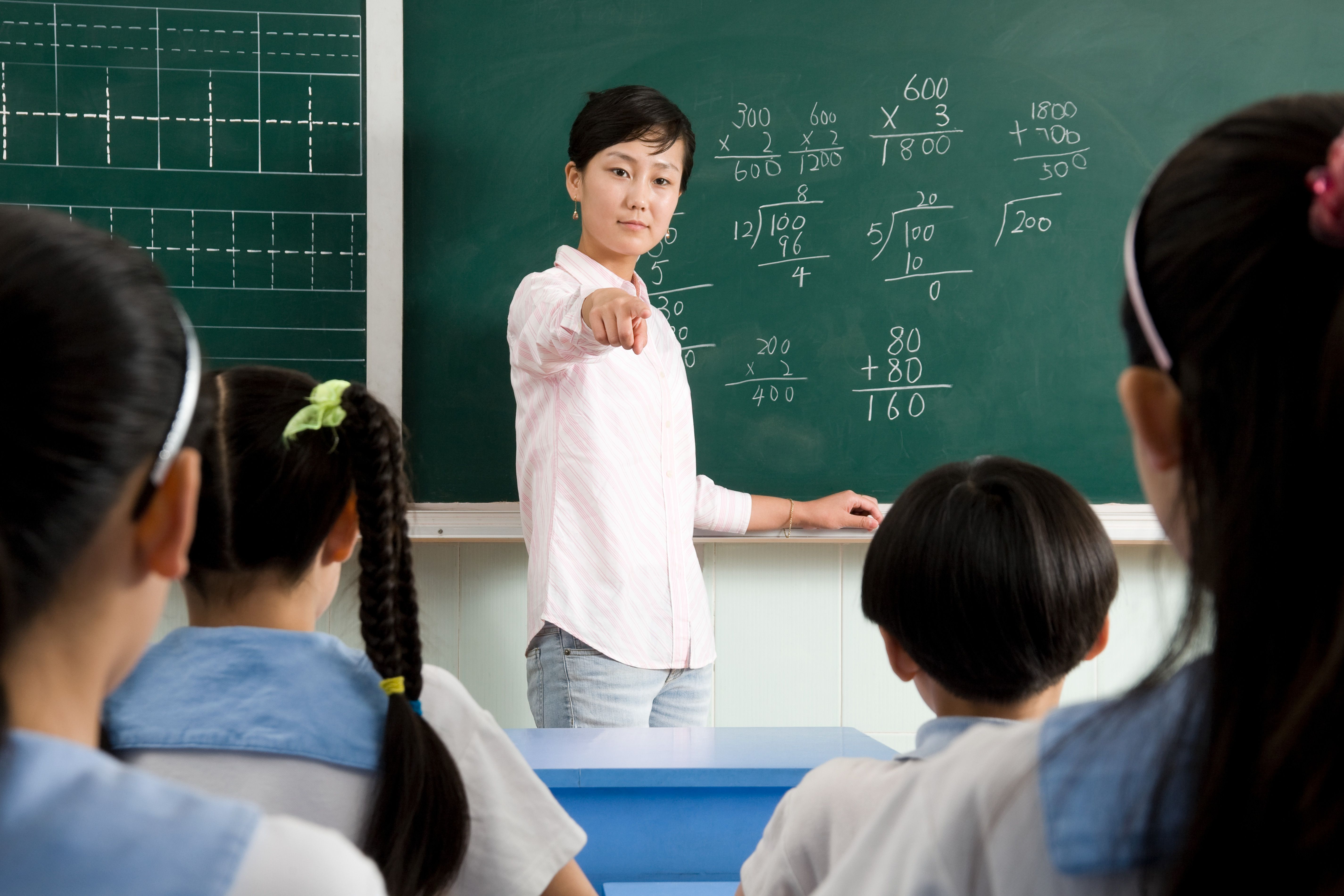
In contrast, face-to-face classes offer a structured environment. Regular schedules and classroom settings can help instill discipline and a routine, which some children thrive on. The physical presence of a teacher also means immediate feedback and support.
Social Interaction and Development
Social interaction is a crucial aspect of a child's development. Face-to-face classes naturally provide opportunities for children to interact with peers, engage in group activities, and build social skills. This environment fosters friendships and collaboration.
Online classes, while offering some interaction through virtual means, may not fully replicate the social experience of a traditional classroom. However, they can still teach valuable digital communication skills that are increasingly important in today's world.
Learning Styles and Preferences
Every child has a unique learning style. Online classes often cater to visual and auditory learners with video lectures and digital resources. They can also accommodate children who may benefit from revisiting materials multiple times.
On the other hand, kinesthetic learners who thrive on hands-on activities might find face-to-face classes more engaging. The physical interaction with materials and participation in live demonstrations can enhance their learning experience.
Access to Resources and Technology
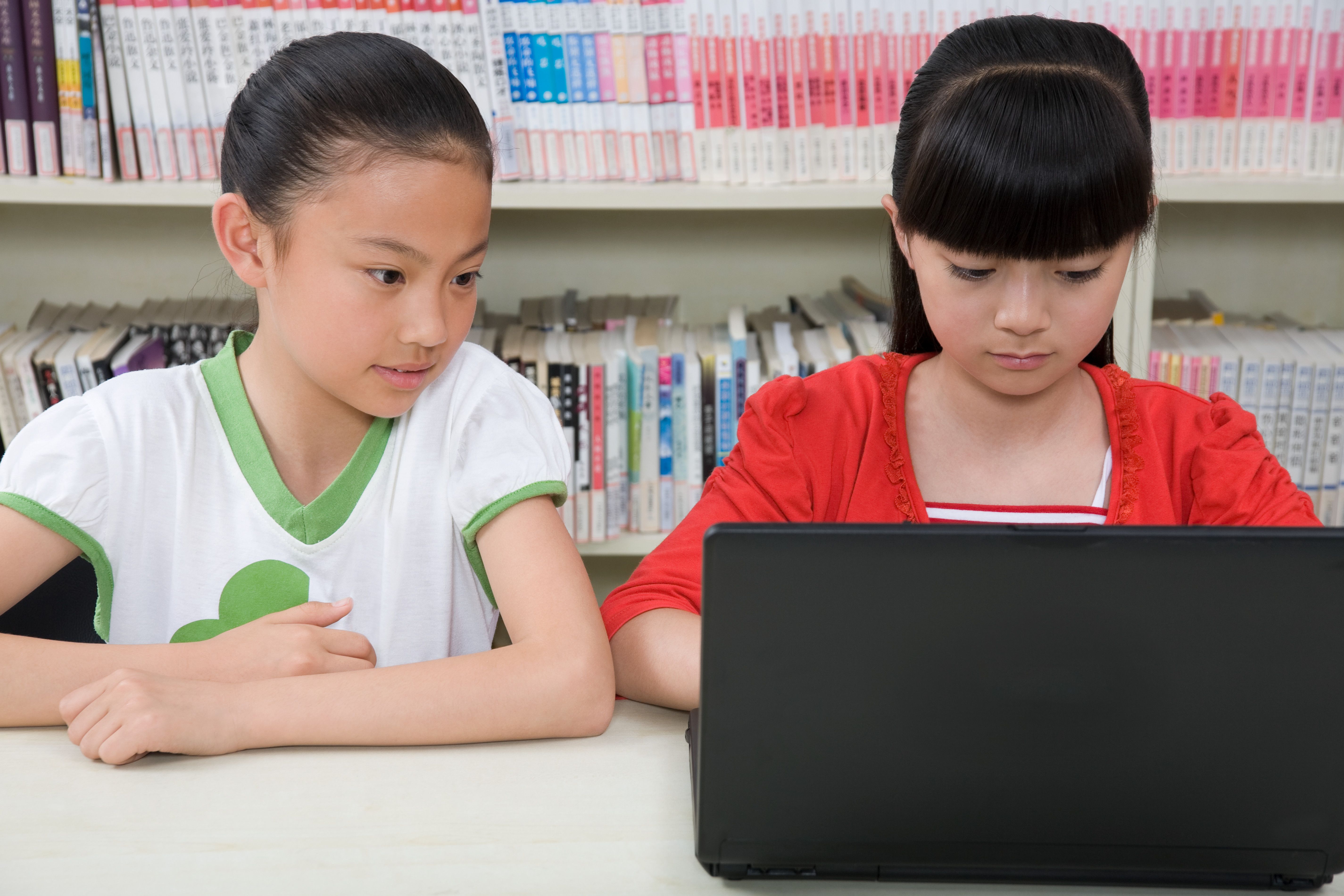
Online education opens doors to a vast array of resources. Students can access a wealth of information and interact with educational platforms from anywhere in the world. However, this requires reliable internet access and technology, which may be a barrier for some families.
Face-to-face classes offer immediate access to school facilities, such as libraries and science labs, providing a more traditional resource pool. This setup can be advantageous for subjects requiring practical application and experimentation.
Conclusion: Finding the Right Balance
Choosing between online and face-to-face classes depends on various factors, including your child's learning style, social needs, and your family's lifestyle. Some parents opt for a blended approach, combining elements of both to provide a balanced education.
Ultimately, the decision should align with what best supports your child's growth and happiness. By considering these aspects, you can make a choice that fosters an enriching and effective educational experience.