Innovative Teaching Methods for Tutors: A Guide to Modern Education
BM
Embracing Technology in Teaching
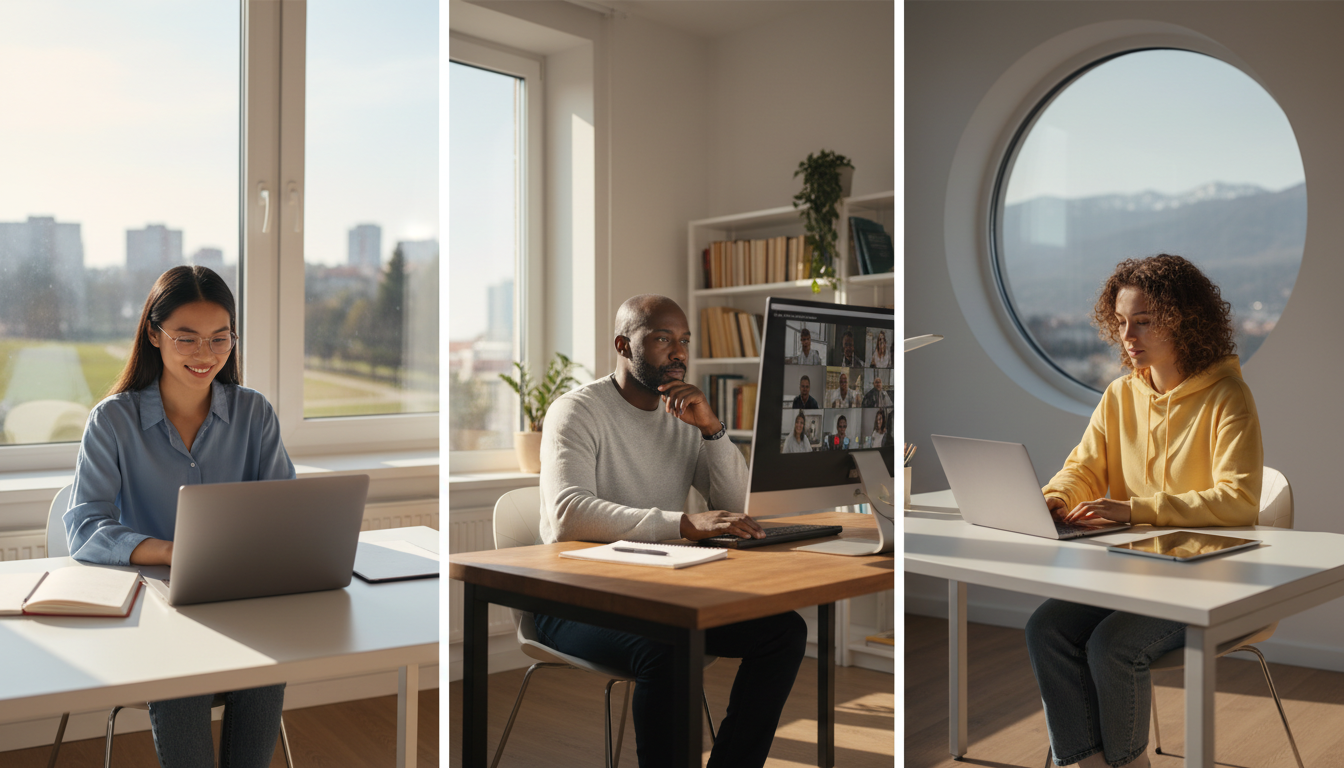
In the modern educational landscape, technology plays a crucial role in enhancing learning experiences. Tutors can leverage tools like virtual classrooms, interactive whiteboards, and educational apps to create engaging lessons. These resources not only foster a dynamic learning environment but also cater to various learning styles, making education more inclusive.
For instance, platforms like Zoom and Google Classroom enable tutors to connect with students worldwide, breaking geographical barriers and offering personalized learning opportunities. By integrating technology, tutors can track student progress and provide real-time feedback, which is essential for effective learning.
Gamification in Education
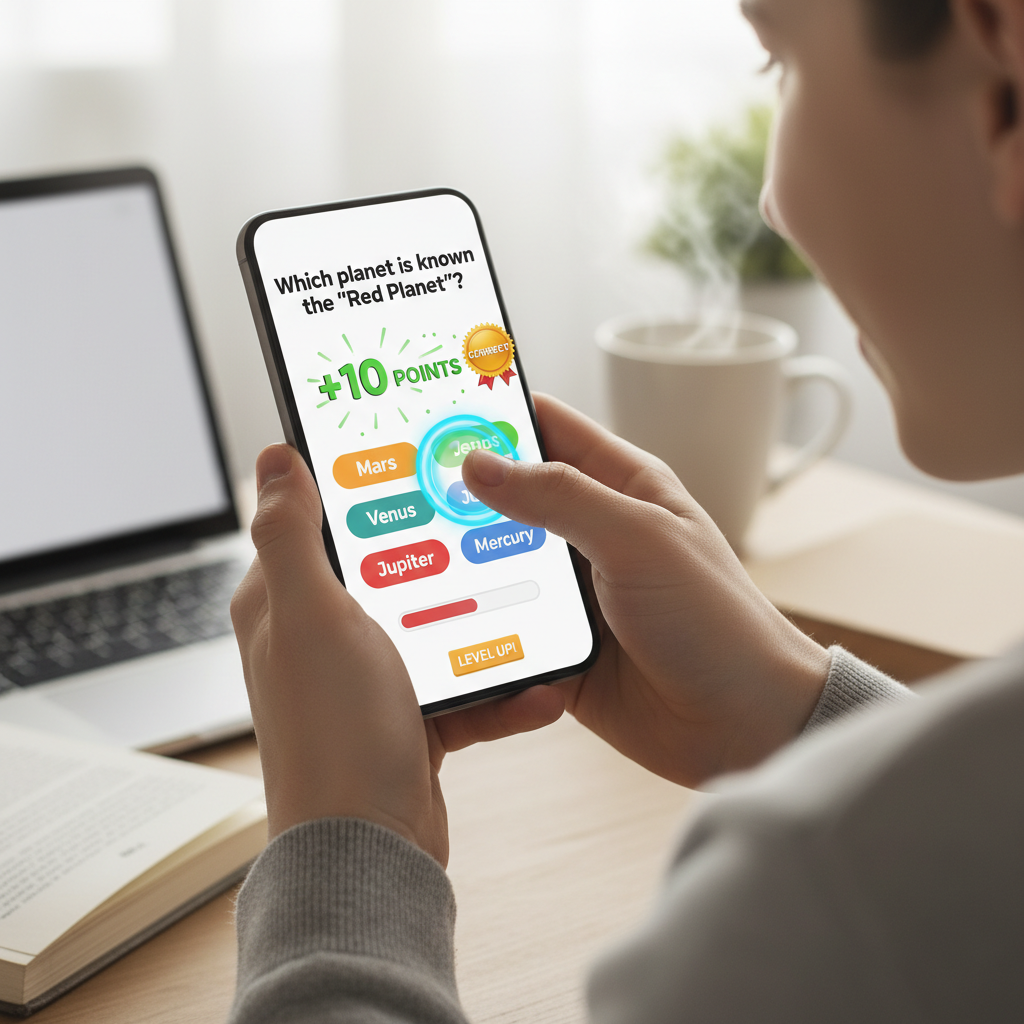
Gamification is an innovative teaching method that involves incorporating game elements into educational activities. This approach increases student motivation and engagement by making learning fun and interactive. Tutors can use tools like Kahoot! and Quizizz to create quizzes and challenges that encourage friendly competition among students.
By turning lessons into games, tutors can make complex subjects more approachable and help students develop a love for learning. Gamification also promotes critical thinking and problem-solving skills, which are essential for student success in the 21st century.
Project-Based Learning
Project-Based Learning (PBL) is a student-centered approach that involves learning through the active exploration of real-world challenges. Tutors guide students in completing projects that require critical thinking, collaboration, and creativity. This method helps students understand the practical applications of their knowledge and develop skills that are highly valued in the workforce.
Tutors can implement PBL by assigning projects that align with students’ interests and curriculum goals. By doing so, they foster a sense of ownership and responsibility in students, encouraging them to take charge of their learning journey.

Flipped Classroom Model
The flipped classroom model is a transformative teaching method where students access instructional content outside the classroom, often through videos or readings, and engage in interactive activities during class time. This approach allows tutors to dedicate classroom time to discussion, problem-solving, and hands-on activities, enhancing student comprehension and engagement.
By flipping the classroom, tutors can focus on addressing individual student needs and fostering a collaborative learning environment. This method promotes active learning and encourages students to take a proactive role in their education.
Personalized Learning
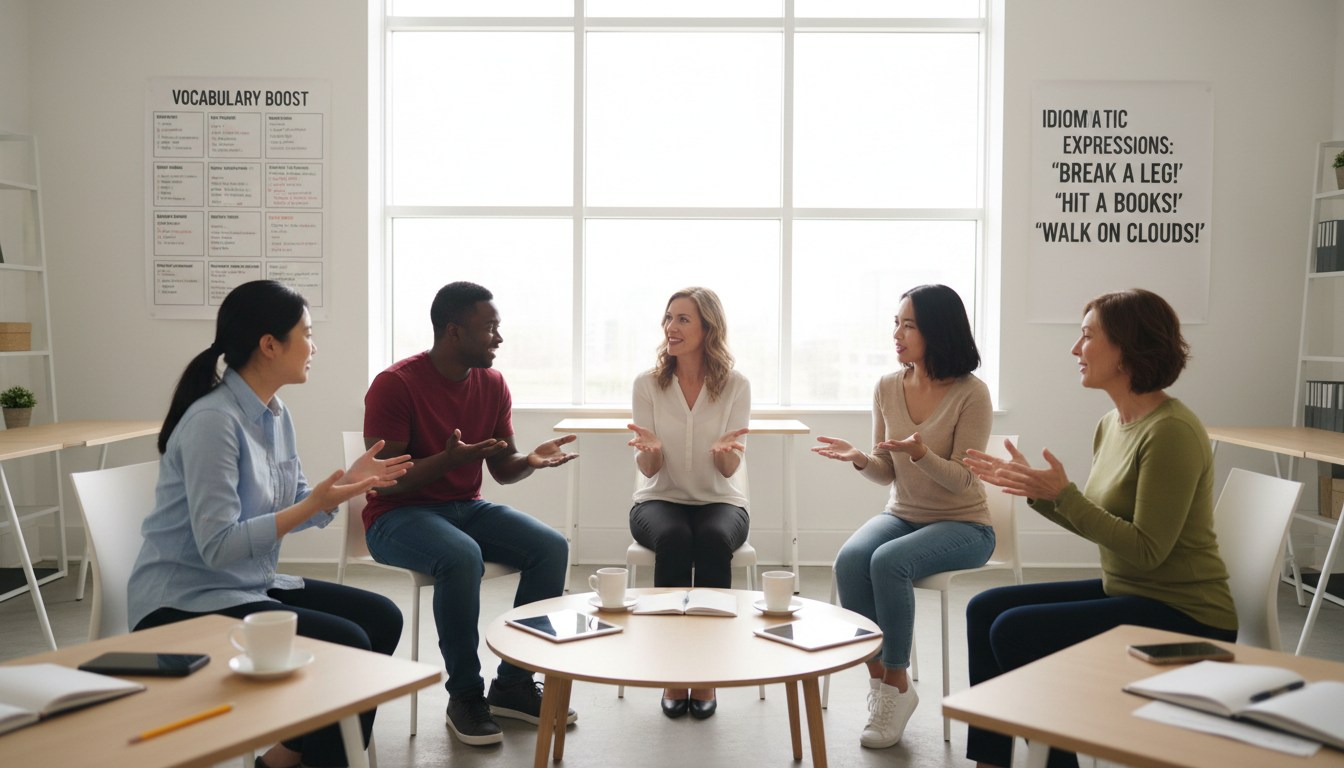
Personalized learning tailors educational experiences to individual student needs, preferences, and learning styles. By using data-driven insights, tutors can create customized lesson plans that address each student’s strengths and weaknesses, ensuring that all learners have the opportunity to succeed.
Technology plays a significant role in personalized learning, providing tools for assessing student progress and adapting instruction accordingly. This approach not only improves academic outcomes but also boosts student confidence and motivation.

Innovative teaching methods are revolutionizing education, offering tutors unique ways to engage students and enhance learning outcomes. By embracing these approaches, tutors can create a dynamic educational environment that prepares students for the challenges of the future.