Innovative Teaching Methods for Modern Tutors
BM
Adapting to the Digital World
In today's fast-paced educational landscape, tutors must embrace innovative teaching methods to engage and inspire their students. With the rise of digital technology, educators have access to a plethora of tools that can make learning more interactive and effective. This shift not only enhances student engagement but also prepares them for a tech-savvy world.
One effective method is the integration of online platforms that offer a variety of resources, from video tutorials to interactive quizzes. These platforms allow students to learn at their own pace, providing a more personalized learning experience.

Gamification in Education
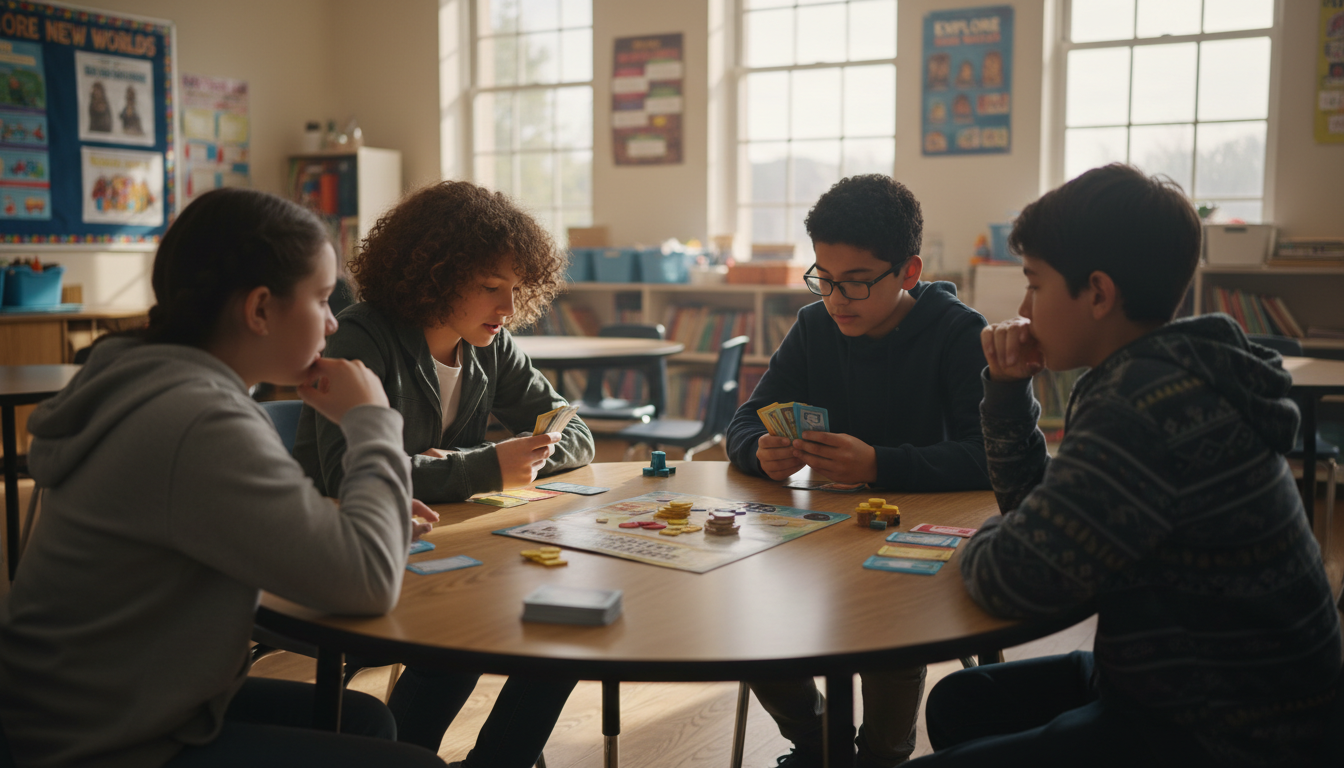
Gamification is another innovative approach that is gaining popularity among modern tutors. By incorporating elements of games such as points, badges, and leaderboards, tutors can make learning more engaging and enjoyable. This method taps into students' natural desire for competition and achievement, motivating them to participate actively.
Furthermore, gamification can enhance problem-solving skills and encourage collaboration among students. By working together to achieve common goals, students learn the value of teamwork and develop critical social skills.
Flipped Classroom Model
The flipped classroom model is a revolutionary approach that turns traditional teaching on its head. In this model, students are introduced to new content at home through pre-recorded lectures or readings. Classroom time is then dedicated to deepening understanding through discussion and practical application.
This method allows for more interactive and personalized classroom experiences. Tutors can spend more time addressing individual student needs and facilitating hands-on activities that reinforce the material.

Project-Based Learning
Project-based learning (PBL) is an innovative teaching strategy that encourages students to learn by actively engaging in real-world and personally meaningful projects. This method promotes critical thinking, creativity, and collaboration as students work on projects that require them to apply what they've learned in practical ways.
Through PBL, students gain a deeper understanding of the subject matter and develop essential life skills such as time management and self-direction. Tutors play a crucial role in guiding and mentoring students throughout the process, ensuring they stay on track and achieve their learning goals.

The Role of Technology in Modern Tutoring
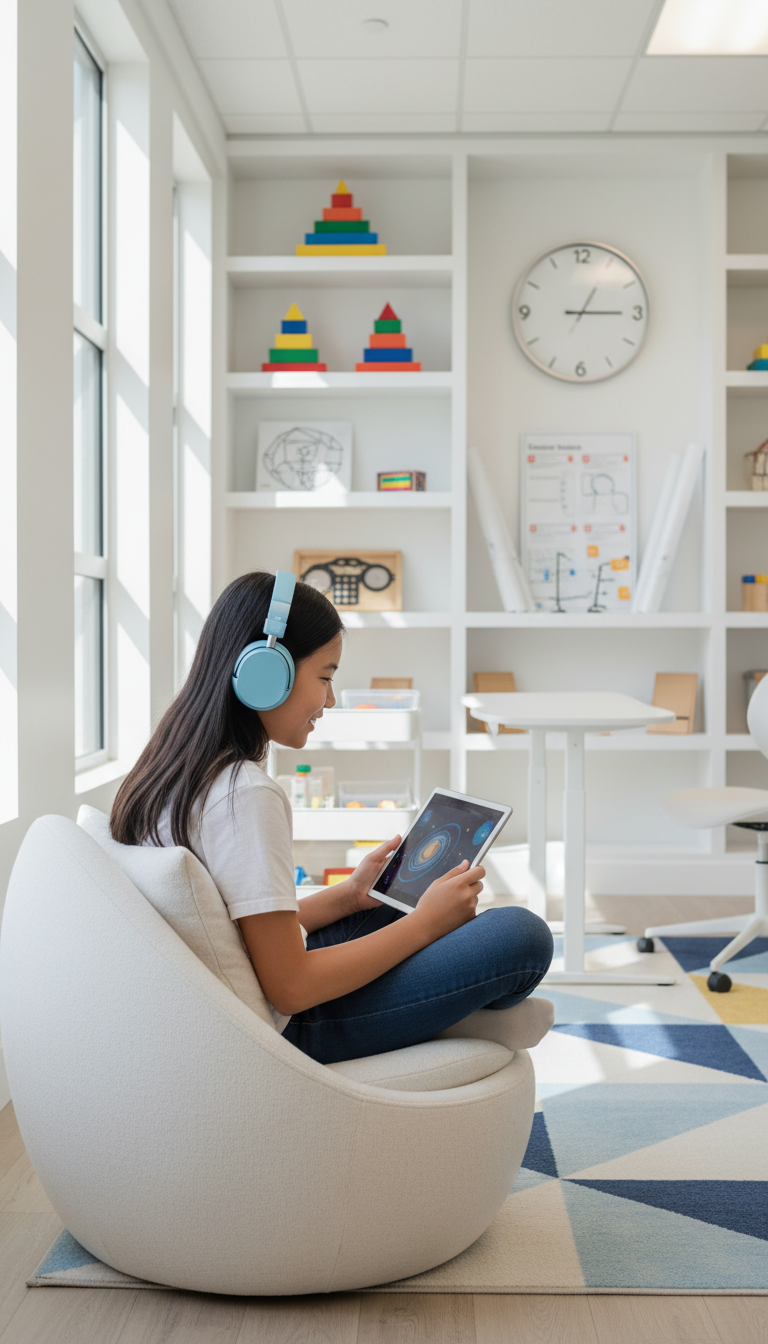
Technology plays a pivotal role in modern tutoring, offering tools that can enhance the learning experience. From virtual reality simulations to AI-driven personalized learning paths, technology enables tutors to deliver content in more dynamic and engaging ways.
Moreover, technology allows for better assessment of student progress. With data analytics, tutors can track student performance and provide targeted support where needed, ensuring that every student has the opportunity to succeed.
Conclusion
Innovative teaching methods are essential for modern tutors who aim to prepare students for the challenges of the future. By embracing digital tools, gamification, flipped classrooms, and project-based learning, educators can create a more interactive and effective learning environment. As the educational landscape continues to evolve, tutors must remain adaptable and open to new strategies that can enhance student success.