Exploring Online vs. Face-to-Face Classes: What’s Best for Your Child?
BM
Introduction to Online vs. Face-to-Face Classes
In today's evolving educational landscape, parents often find themselves deciding between online and face-to-face classes for their children. Each option comes with its own set of advantages and challenges. Understanding these can help you make an informed decision that best suits your child's needs.

Advantages of Online Classes
Online education offers a unique level of flexibility that traditional classroom settings cannot match. Students can learn at their own pace, revisiting materials as needed. This can be particularly beneficial for children who require more time to grasp complex subjects.
Additionally, online classes often provide a broader range of courses, allowing students to explore diverse subjects that might not be available in their local schools. This exposure can enhance their learning experience and broaden their horizons.
Challenges of Online Learning
Despite the benefits, online classes can pose challenges. One significant concern is the lack of social interaction, which is crucial for developing communication skills and friendships. For some students, learning from a screen can also be less engaging than a dynamic classroom environment.
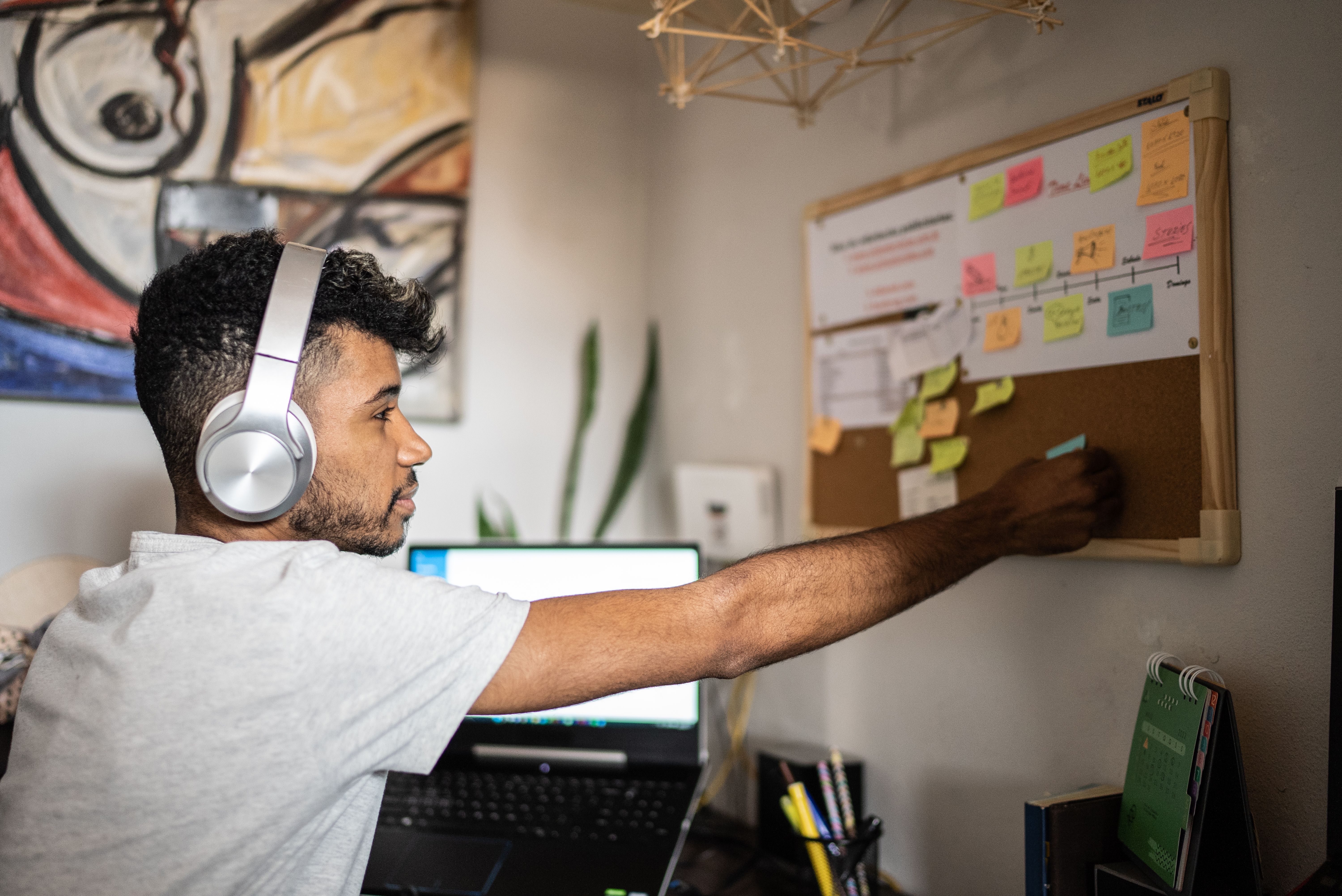
Moreover, parents need to consider the need for self-discipline and motivation in an online setting, as these are essential for staying on track without the constant supervision found in traditional classrooms.
Benefits of Face-to-Face Learning
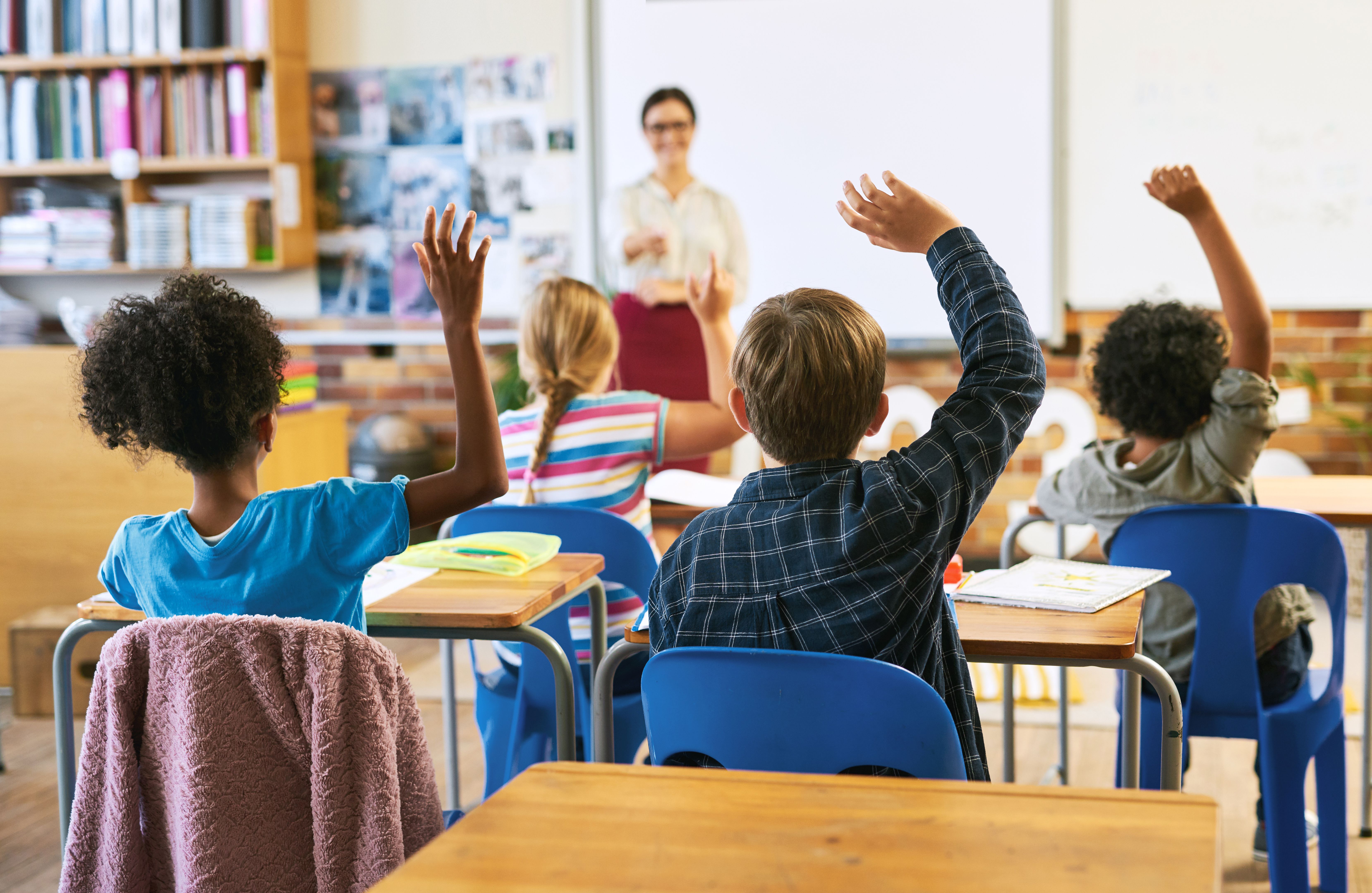
Face-to-face classes offer direct interaction with teachers and peers, which can enhance understanding and retention of material. The opportunity for immediate feedback and hands-on activities can significantly enrich the learning process.
Social skills development is another key advantage. Engaging with classmates in person helps children build relationships, learn teamwork, and develop empathy, all of which are vital life skills.
Considerations for Face-to-Face Classes
While face-to-face learning has its benefits, it also comes with challenges such as a fixed schedule and potential transportation issues. Parents need to weigh these factors alongside their child's learning style and needs.
In some cases, the traditional classroom environment may not cater to the individual pace or interests of a child, potentially leading to disengagement or stress.
Making the Right Choice for Your Child
Ultimately, the decision between online and face-to-face classes should be based on your child’s individual learning style, needs, and interests. Consider their social needs, academic goals, and how they respond to different learning environments.
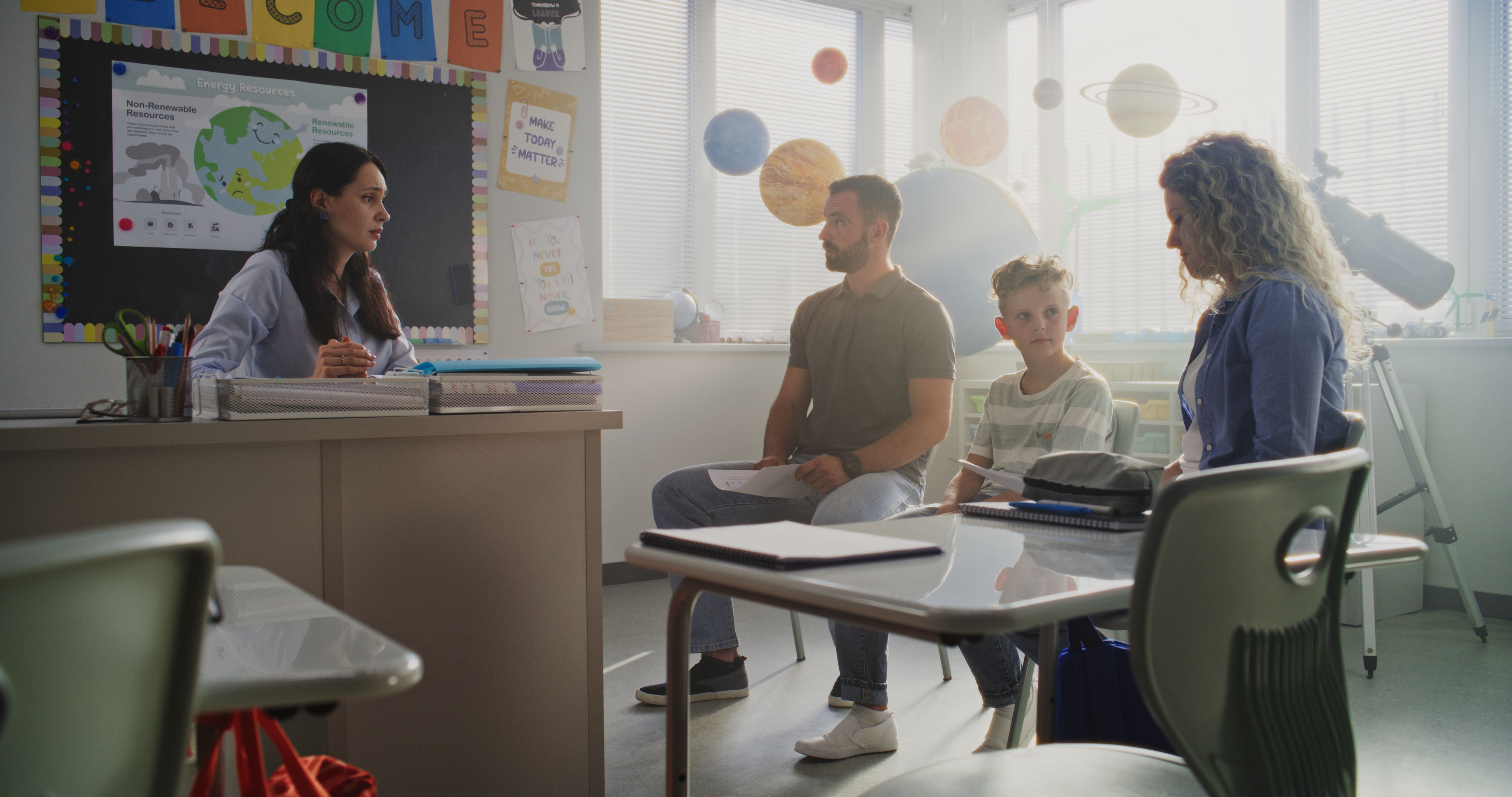
Engage in open discussions with your child and their educators to determine which format will provide the most supportive and enriching experience for their education journey.
Conclusion
Both online and face-to-face classes have their unique sets of advantages and challenges. By understanding these differences and assessing your child’s specific needs, you can make a choice that offers the best possible educational experience for them.